7 Small Home Upgrades That Make a Room Feel Instantly Calmer
You don't need a renovation budget or a design degree — just a few well-placed changes that actually work.
1. Swap overhead lights for lamps
Harsh overhead lighting is the fastest way to make a room feel like a waiting area. A couple of warm-toned floor or table lamps placed at eye level create pools of soft light that your nervous system genuinely responds to. It's one of the cheapest, highest-impact swaps you can make — and you'll feel the difference the first evening you try it.
2. Add a layer of texture you can touch
A chunky throw blanket, a woven cushion, or even a simple jute rug gives your hands and eyes something grounding to land on. Rooms that feel sterile often just lack tactile variety. You're not decorating — you're giving yourself a quiet sensory cue that says 'this is a place to rest.'
3. Clear one surface completely
You don't have to declutter the whole house. Pick one surface — a nightstand, a coffee table, a windowsill — and keep it intentionally empty. Research on visual attention consistently finds that clutter competes for our focus even when we think we've tuned it out. One clear surface acts as a visual exhale every time you glance at it.
4. Bring in something living
A single houseplant, a small vase of grocery-store flowers, or even a bowl of fruit introduces a quiet organic presence that polished, manufactured rooms tend to lack. You don't need a green thumb — low-maintenance plants like pothos or snake plants are famously forgiving. The point isn't horticulture; it's breaking the visual monotony of hard edges and flat surfaces.
5. Hang something at the right height
A piece of art, a mirror, or even a few framed photos hung at actual eye level (not floating near the ceiling, as so many people do) makes a room feel considered and human-scaled. It's a tiny adjustment that interior designers point to constantly because it genuinely changes how proportional and settled a space feels when you walk in.
6. Control the smell
Scent is the sense most directly wired to mood, and most rooms have a neutral-to-slightly-stale smell we've just stopped noticing. A linen spray, a soy candle, or simply cracking a window for ten minutes can reset the atmosphere completely. Keep the scent subtle — the goal is 'clean and gently pleasant,' not 'candle store.'
7. Soften the windows
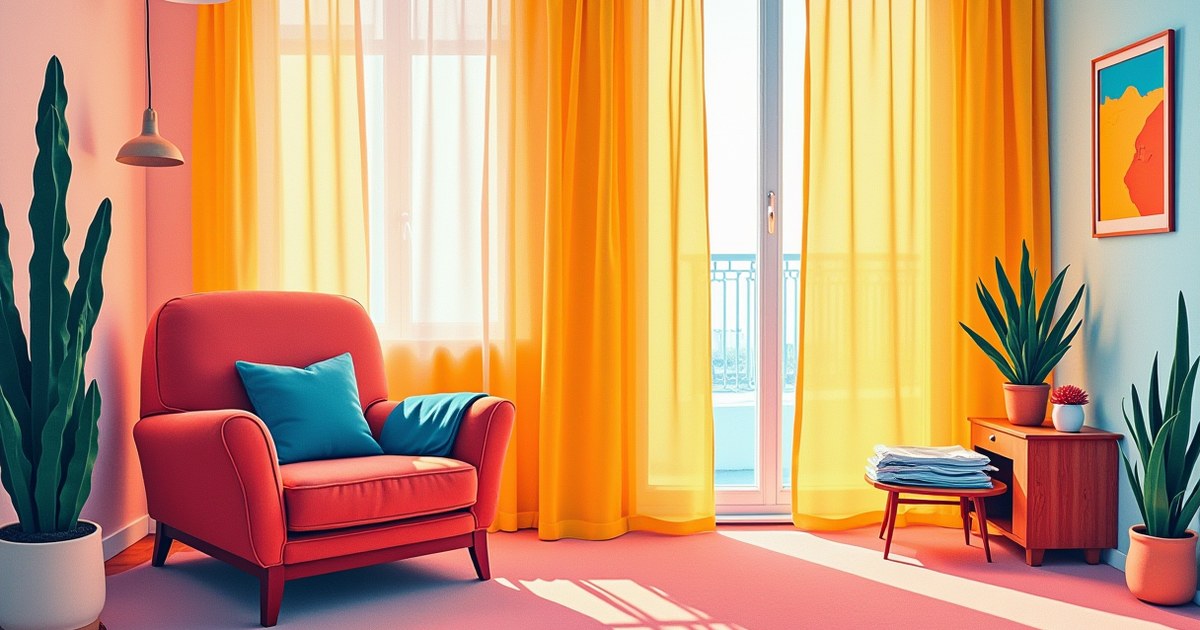
Bare windows can make a room feel exposed and unfinished, while heavy blackout curtains can make it feel like a bunker. Sheer or light-filtering curtains hit the sweet spot — they diffuse glare, add a soft frame to the outdoors, and make natural light feel intentional rather than accidental. Hung close to the ceiling and wide past the frame, they also make the whole room feel taller and more open.
If you want to go deeper, a well-reviewed interior design book focused on small-space comfort or 'slow home' styling can offer a whole framework for making these kinds of instinctive, mood-first choices room by room.
- weighted blanket · the low-effort way to settle a wired nervous system at night.
- sunrise alarm clock wake up light · wake to light instead of a jolt — easier mornings.
- linen duvet cover · the bedding upgrade people notice the first night.
As an Amazon Associate, The Daily Forager earns from qualifying purchases.
Pull your Erotic Tarot card
One tap, one card, one honest read on how your desire is wired — free and private. No jargon, no shame.
Pull your card →